
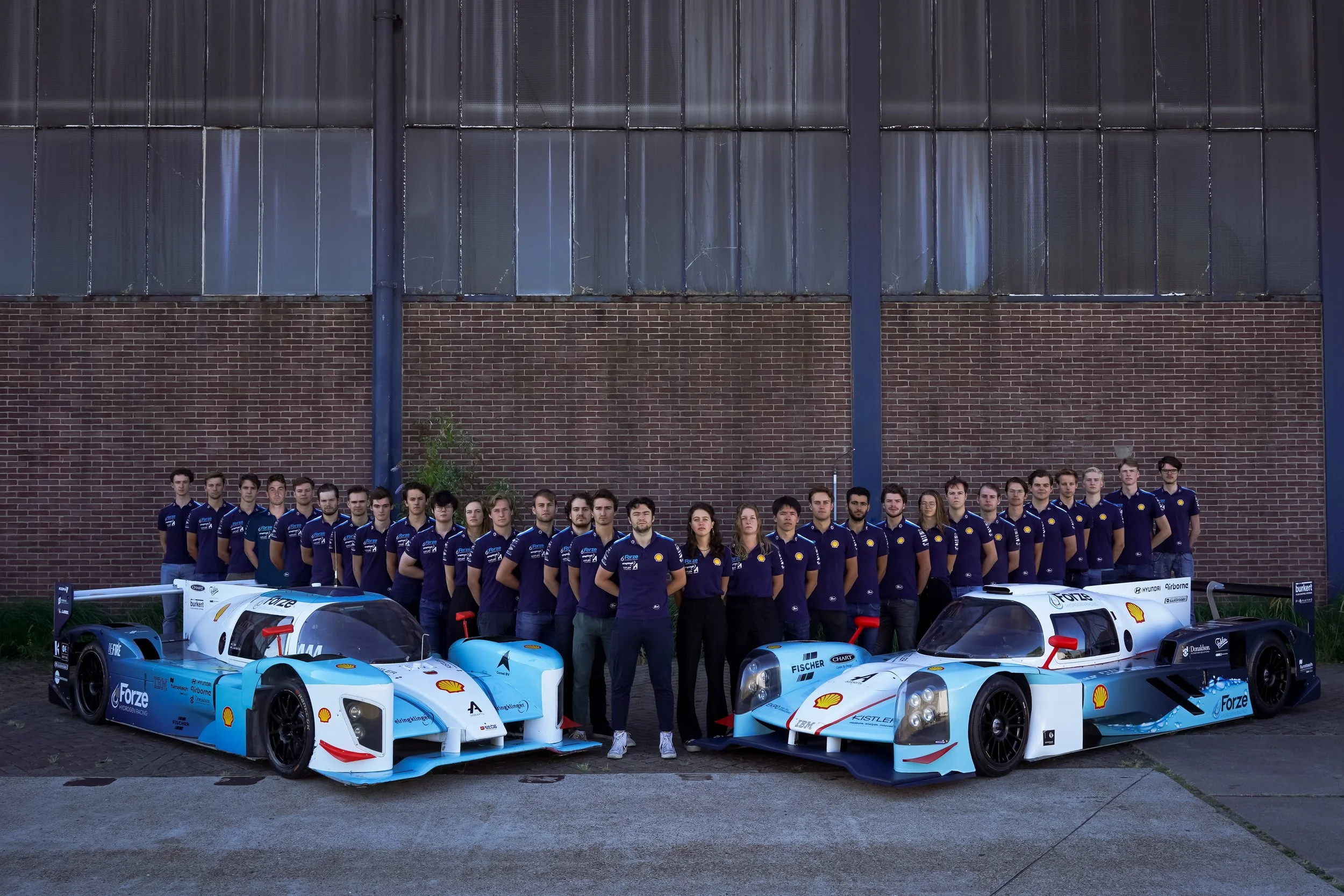
Join us in the hydrogen revolution!

Do you want to be part of the future of sustainable racing and work on the fastest hydrogen-powered racing car in the world? Do you need a break from your studies and are not sure what you want to do next year?
Join Forze and become a full-time team member*, starting in August 2023! We are looking for enthusiastic and motivated people that want to volunteer for team XVII.
Information about all roles within the team can be found below. Can’t find what you’re looking for? Feel free to contact us at recruitment@forze-delft.nl, via our social media channels or visit one of the interest drinks!
*we are currently only looking for full-time team members. Recruitment for part-time positions will start around May!
Important Dates
13 February, 19:00 Interest Drinks (Aula TU Delft)
21 February, 19:00 Interest Drinks (Forze workshop)
24 February, 12:45-13:45 Workshop Tour
1 March, 19:00 Interest Drinks (Forze workshop)
3 March,12:45-13:45 Workshop Tour
6 March, 23:59 Application Deadline
Planning to attend one of our interest drinks? Sign up here!
Board positions
-
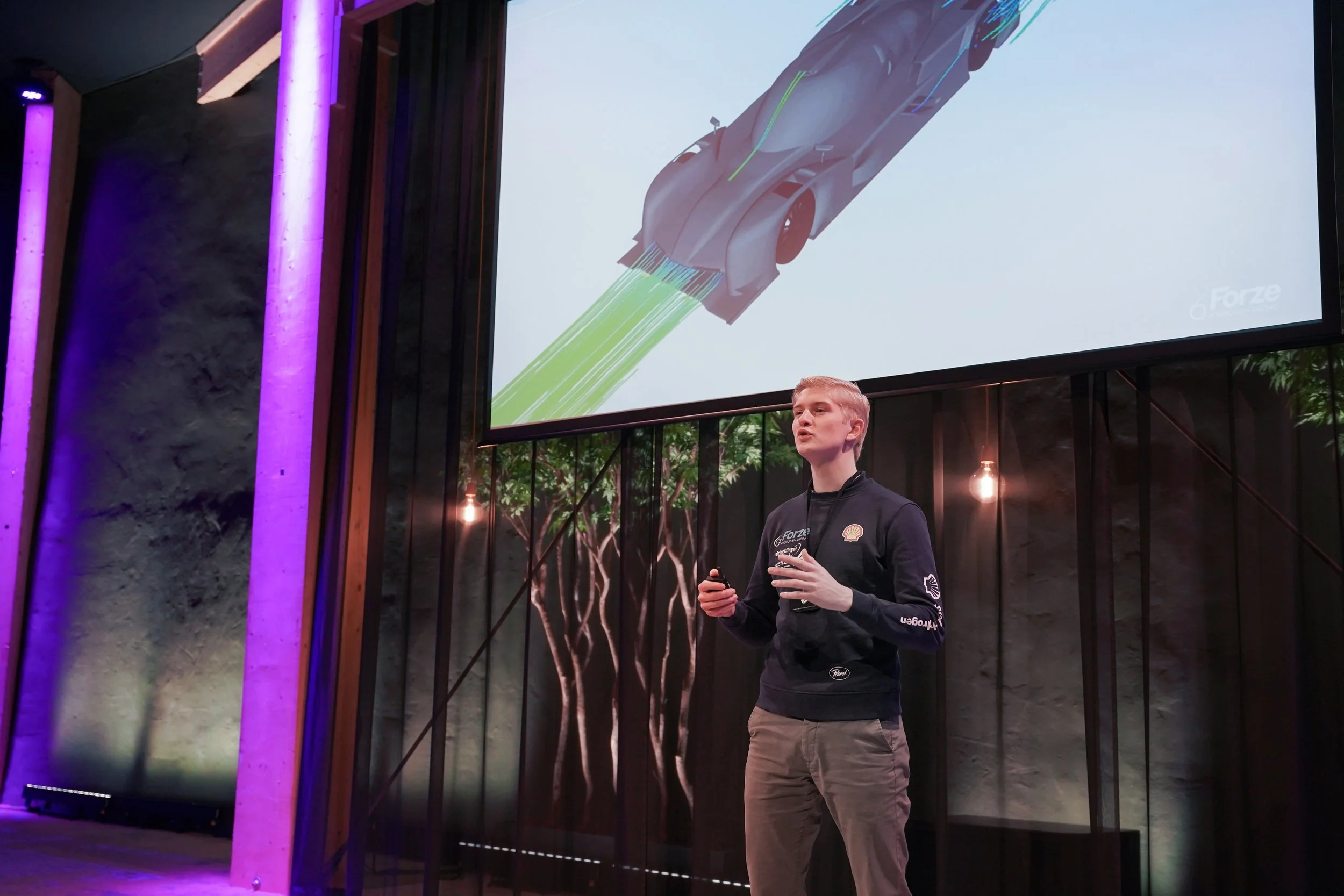
As Team Manager at Forze it is your responsibility to keep an overview of the entire Team and to facilitate the Team to extract the maximum out of themselves. Therefore, you need to make sure that the balance between the technical and business side of the project is maintained and aligned with the long-term vision of Forze. To help the Team grow and work you need to track how everyone is doing and you will have a lot of individual contact with team members. Next to that, you will act as a spokesperson for the team both in- and externally. This means you will practice your presentation skills by attending at events or interviews.
-
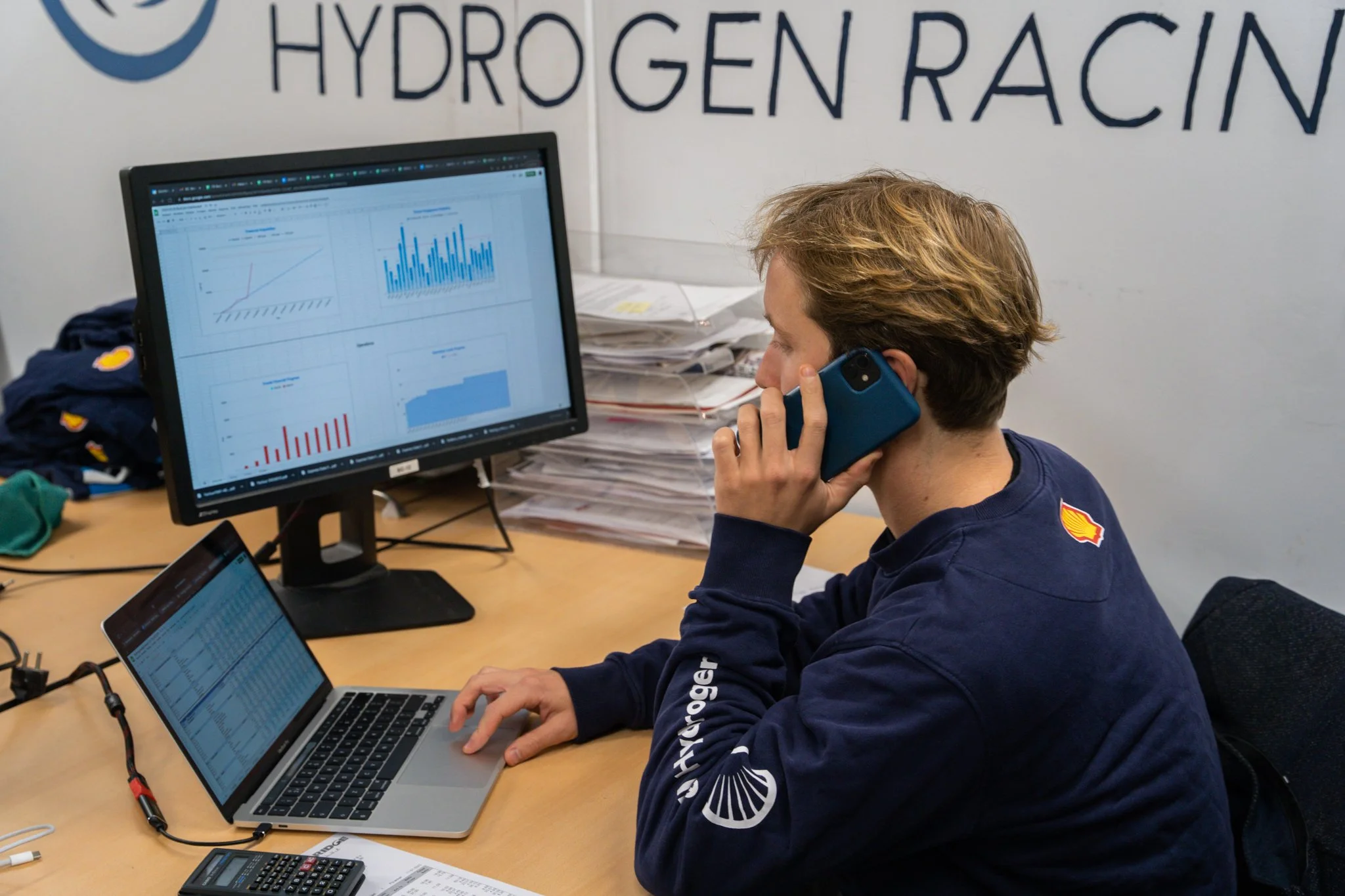
As Business & Finance manager you have two main responsibilities. The first one is the management of the Business and Operations department, which consists of the Partnerships, Operations and PR & Marketing departments. This manager role entails making sure that the sub-departments meet their goals and deadlines and that there is a productive workflow. You will guide them by hosting meetings and doing quality control. As manager of the BusOps department, you will represent it in the Board. On the other hand, you will represent the Board within BusOps by making sure that the BusOps department represents Forze’s long-term vision towards the outside world.
The finances of the project are your second main responsibility. This means that you set up a budget at the start of the year and make sure that we stay financially healthy throughout the year and the years to come. Next to the budget, you will also do accounting and manage insurances.
-
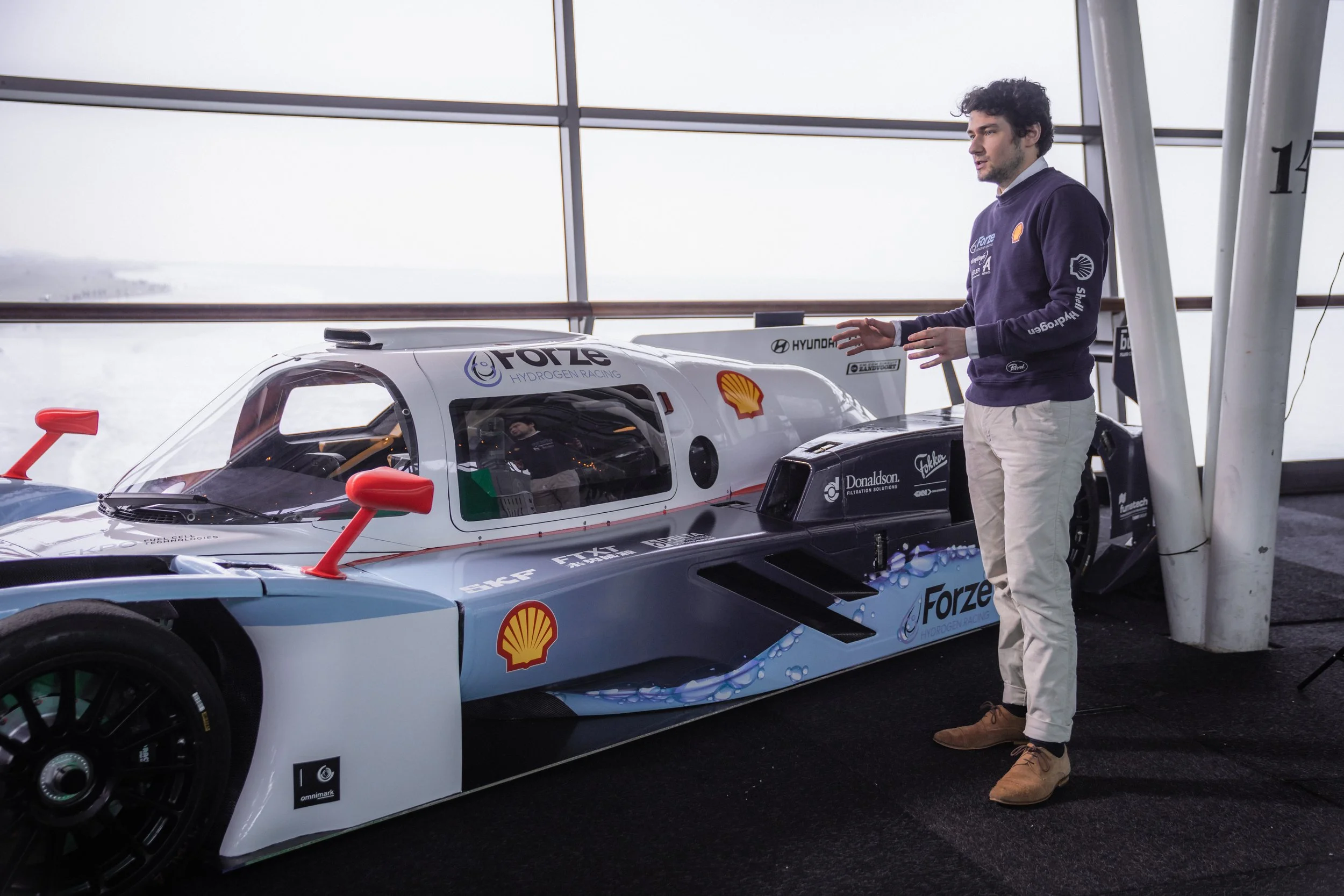
As Chief Engineer, you are responsible for the technical quality and safety of the car. You will work closest with the project manager to manage the tech team. The Chief Engineer can be seen as the person that collects the necessary information, passes the right information to the right people, and analyses the information to make the best decision, keeping in mind safety, performance, planning and budget. You will be responsible for all the choices made regarding the tech projects, and for managing the interfaces between all tech departments. The Chief Engineer, in consultancy with people with the relevant knowledge, decides design requirements, chooses which concepts will continue in detailed design, and reviews finished projects to either give the green light for production or identify final details that need to be added/changed. You will also be in contact with the biggest technical partners and have meetings regularly.

-
As Project Manager of Forze, you are responsible for establishing and maintaining the project planning for the technical departments of the team. This planning aims to set achievable goals that the team can push for. To make sure that the team stands behind the planning and that the timeline is realistic, you gather input from the engineers and old Forze team members. In constructing the planning, technical knowledge of the car is essential, as you focus on establishing relationships and dependencies between all technical projects, departments, available resources and external deadlines, such as a race! With the planning at hand, you track the team’s progress and try to spot delays before they occur.
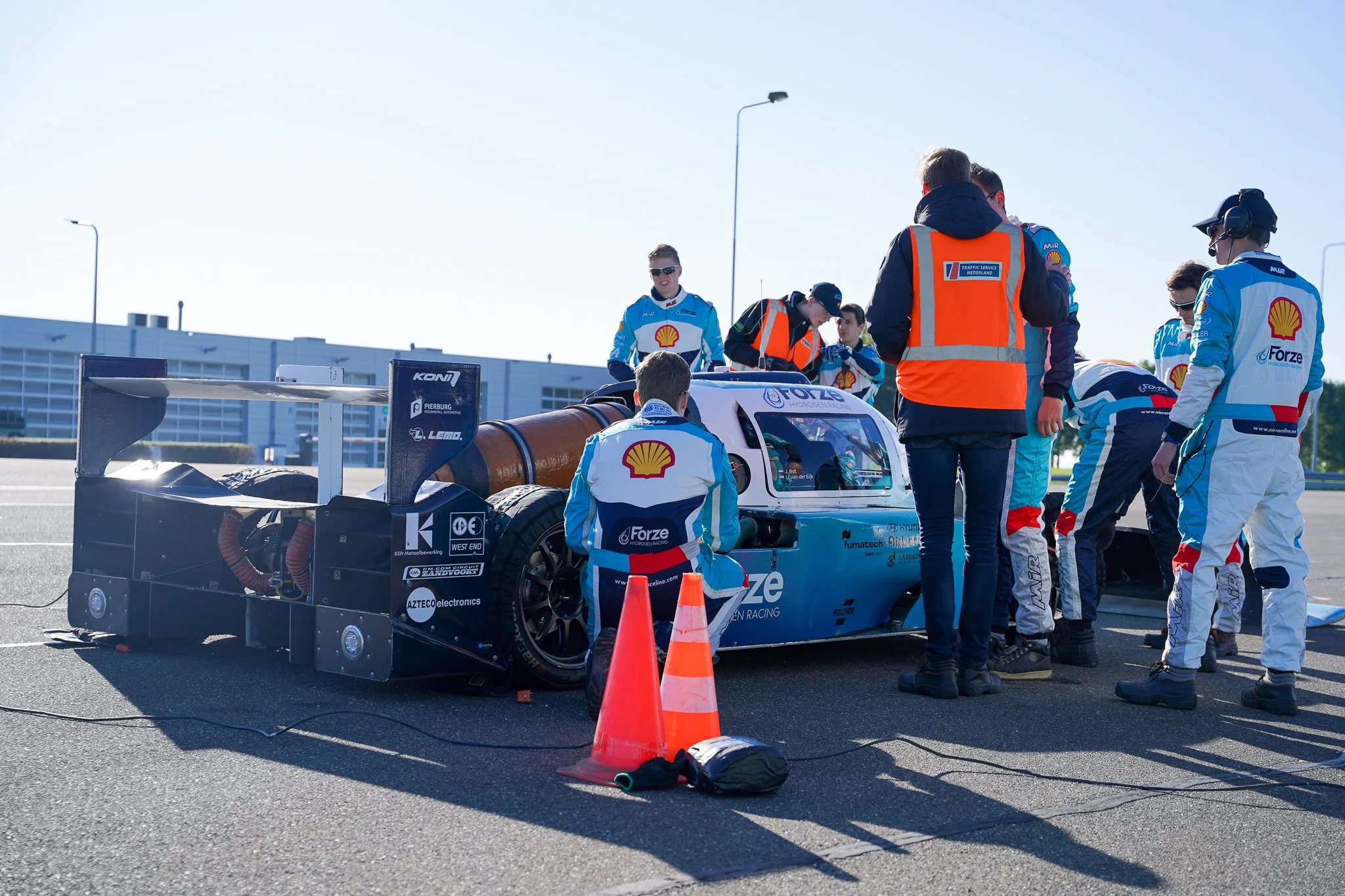
Business & Operations Positions
-
As Operations Manager you will play an important role in the representation of the team to the outside world: you will be in charge of organising Forze’s events! Every year we attend a lot of external events, which will offer you great networking opportunities. We also organise our own events in the form of case studies, company visits and team activities. A lot of planning is required for this, especially as the logistics of tests and races will also be part of your responsibilities. Besides that, you will be in contact with a lot of the other team members to improve various facilities such as the office spaces, hall, workshop and machine park.
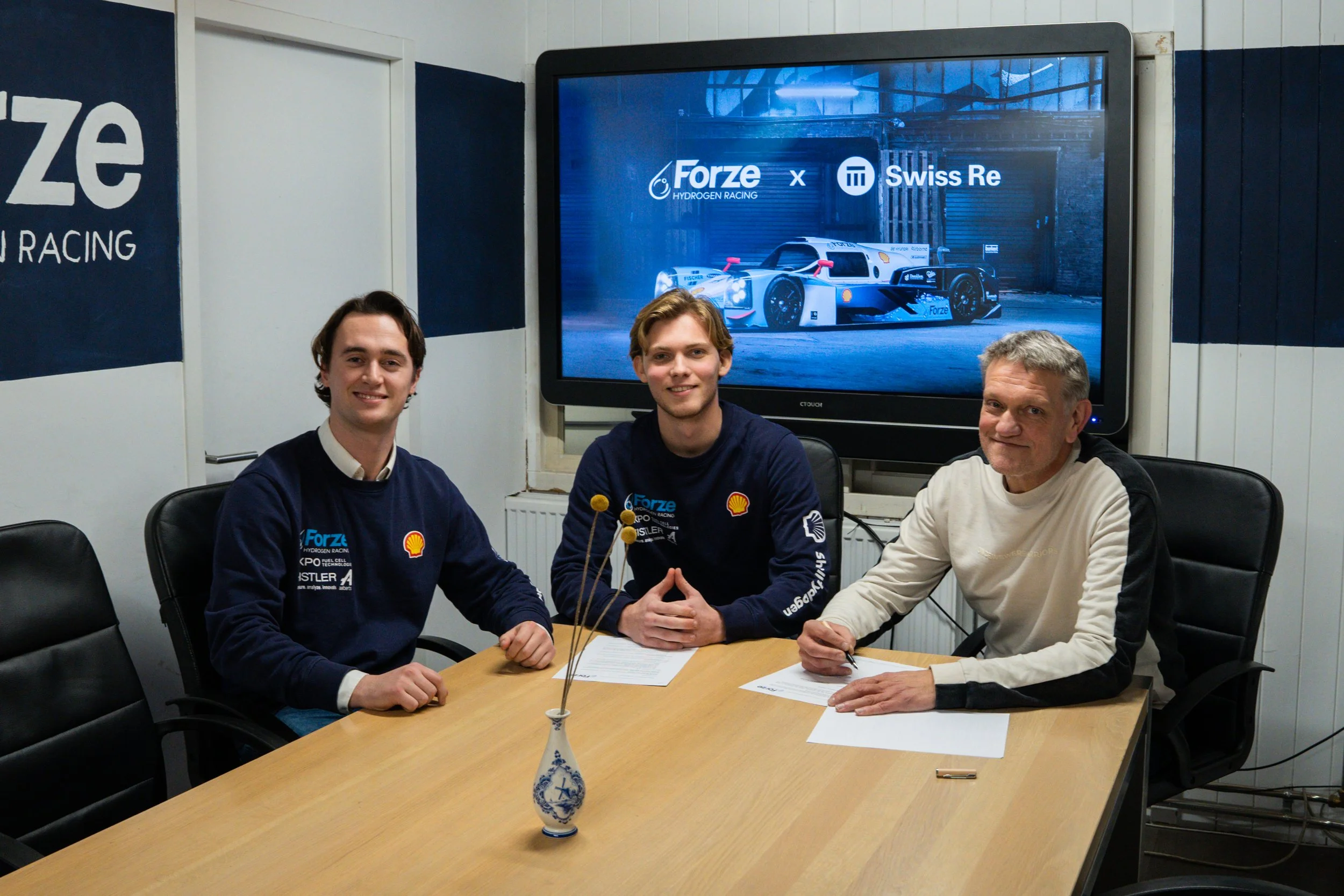
-
As Partnership Manager, you are responsible for maintaining and building relations with partner companies. You are the link between the partners and the rest of the team and you make sure that collaboration runs smoothly. This means you have to manage expectations, keep track of agreements and represent the wishes and thoughts of partners to our team. Without the help of our partners, we would not be able to realise our goals and mission. Next to maintaining relations, you are also responsible for finding and connecting with new partners to join us. Partners are incredibly important and are more often than not just as excited about our team and project as we are ourselves!
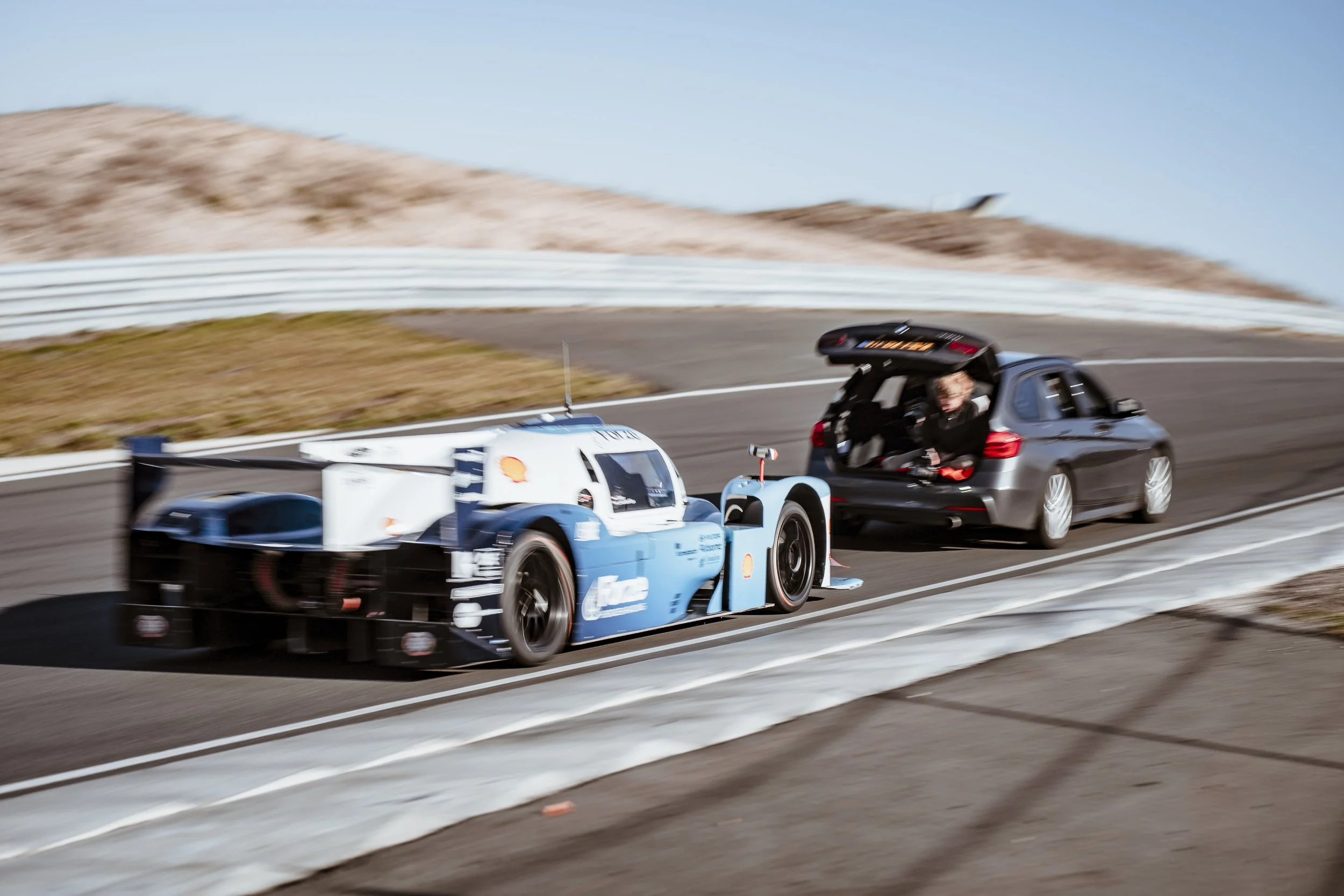
-
At Forze, our mission is to show the potential of hydrogen technology and prove why we believe it is essential in the sustainable future of mobility. We think the best way to achieve this is by building an epic racing car that only emits water! Your job as a PR & Marketing Manager here at Forze is to use this car, the technology inside and the drive of the team to convey our message to the public. You can do this through our social media channels, various video content, writing articles and maintaining close contact with the press. You will visit countless events to talk to the general public, provide our valued partnering companies with the exposure they deserve and translate the technology in the car to an understandable message for a varied audience.
Embedded Systems Positions
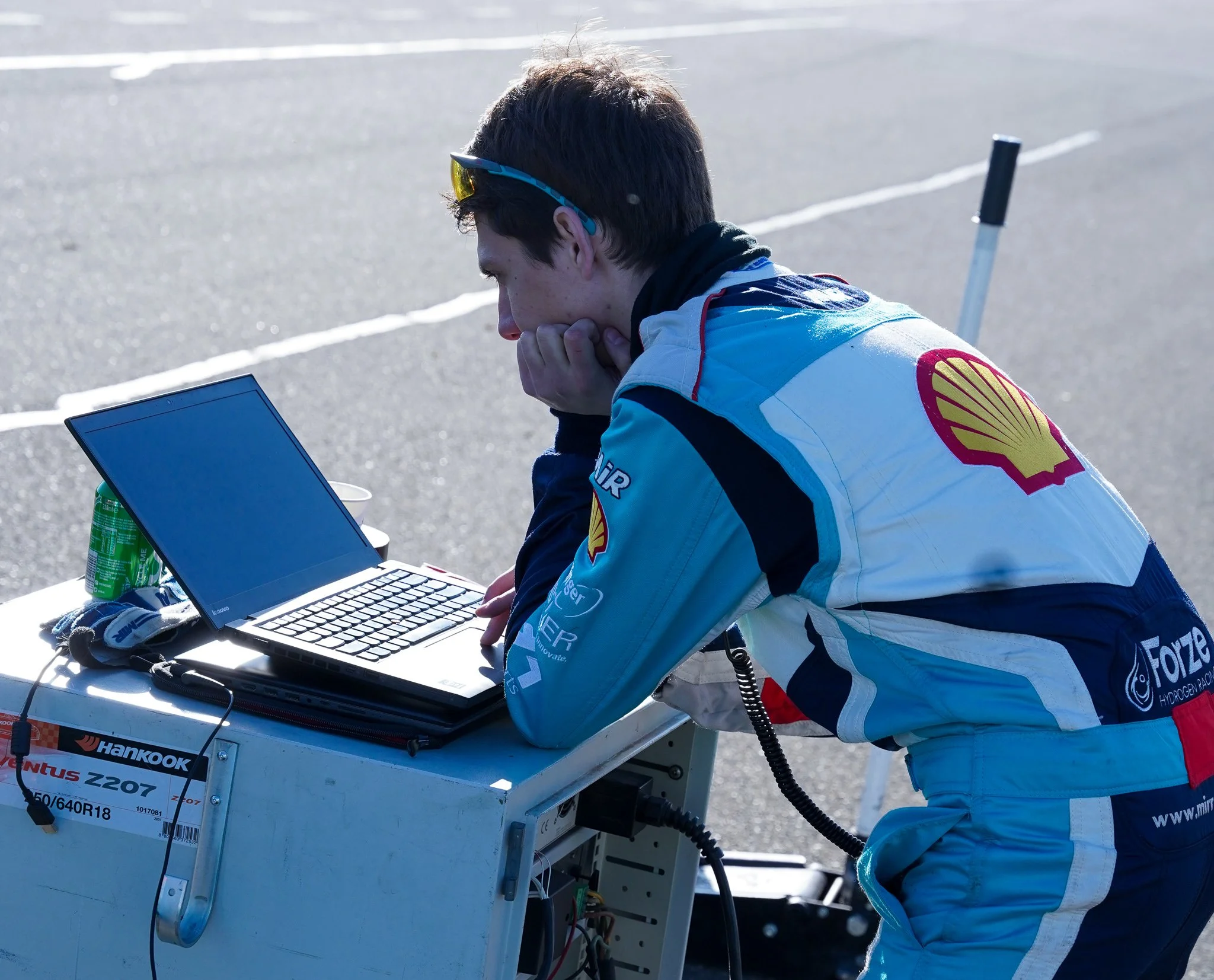
-
As Chief Embedded Systems, you will be the one to have the overview of the entire embedded system (electronics, software and simulation and control) of the car. This will mean that you know what the embedded system will look like and help people out whenever necessary. You will set out the planning for the Embedded Systems with the Project manager and you discuss the consequences of a decision with the Chief Engineer. If there are problems larger than one department within Embedded Systems, it will be the Chief Embedded Systems to fix these issues. Since you will have a lot of interfacing between the departments, one can learn a lot about the department they are not familiar with. That said, one will still have their own project from their respective department.
-
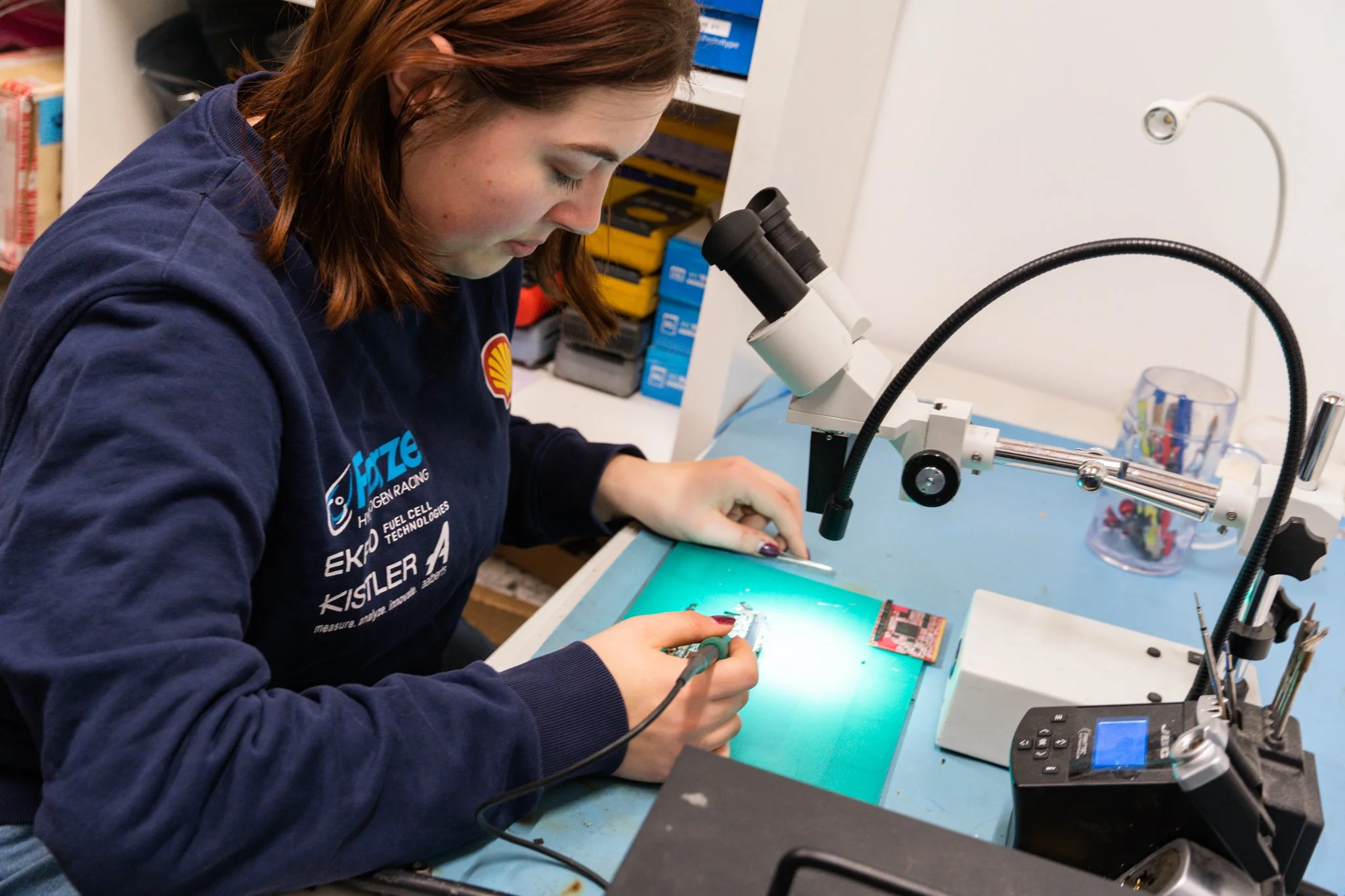
As Electronics Engineer you are responsible for the embedded system, which interfaces with all the sensors and actuators in the car. The embedded systems make sure all the software and control can communicate with the powertrain and fuel cell systems, so we can drive as fast as possible! Together with the software department you get the change to design, test and manage all the PCBs and sensors in the car.
-
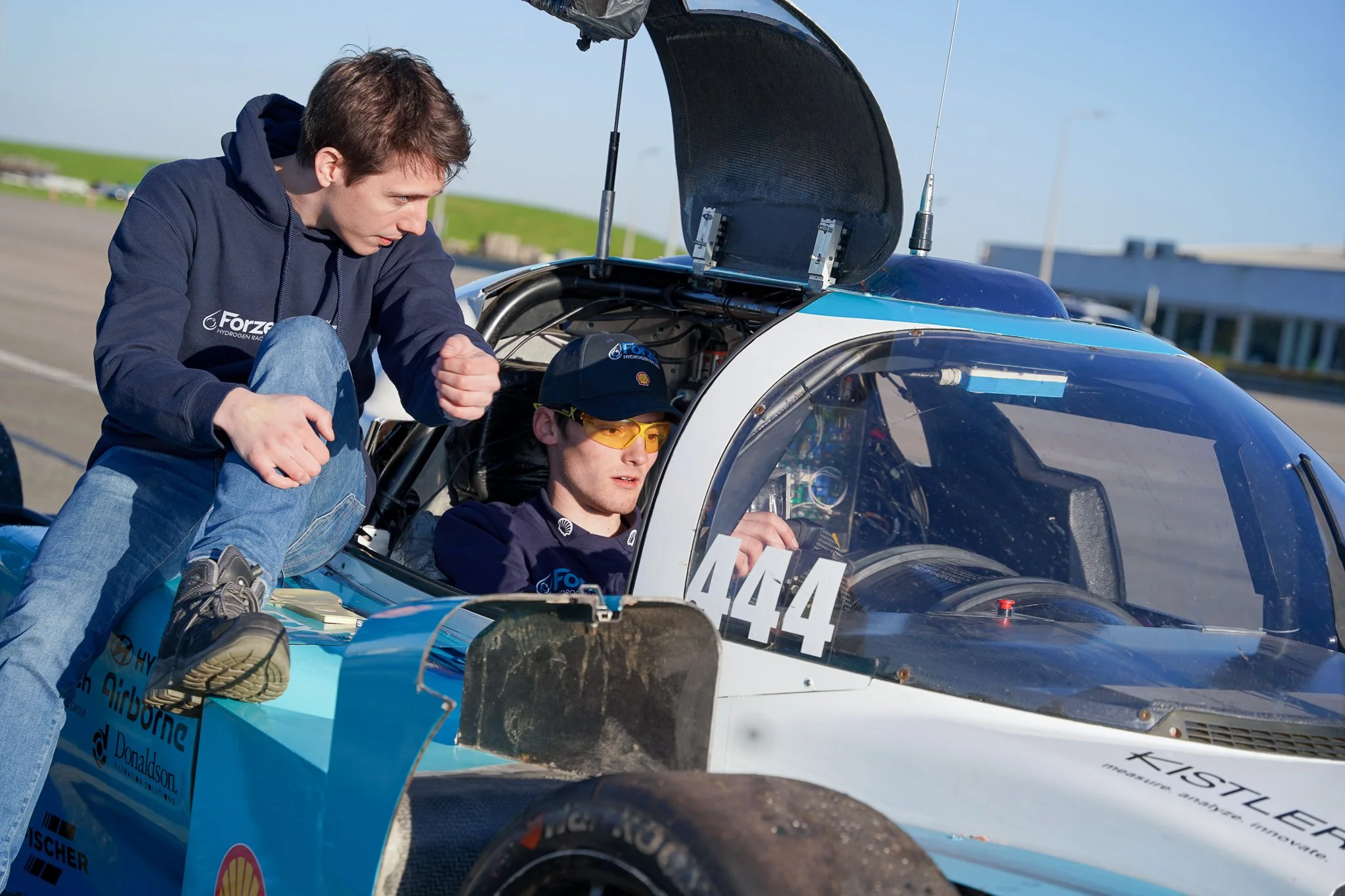
As Race Engineer, you will be the link between our drivers and the rest of the team. This means that you will communicate with our drivers to keep them up to date on the status of our car and what might have changed between the last time they drove. You are also responsible for getting the most out of our car during a session on track. For this, you determine strategies for the race and investigate which setpoints and settings give us the best performance around a race. This also includes finding the right setup in the car such that the driver is happy with the balance. When the car is driving you are the one that has contact with the driver.

-
At Simulations and Control, it is your priority to design and maintain control systems for the car. These range from systems that manage our energy levels, to systems that control the slip of the wheels. Simulations are used to test these control systems.
Furthermore, you will optimise the performance of the car with several simulators, which can be as simple as a script or as advanced as a full driver-in-the-loop simulator.
Finally, you will interface with almost every other technical department to make models for them that they can use to design their parts more optimally.

-
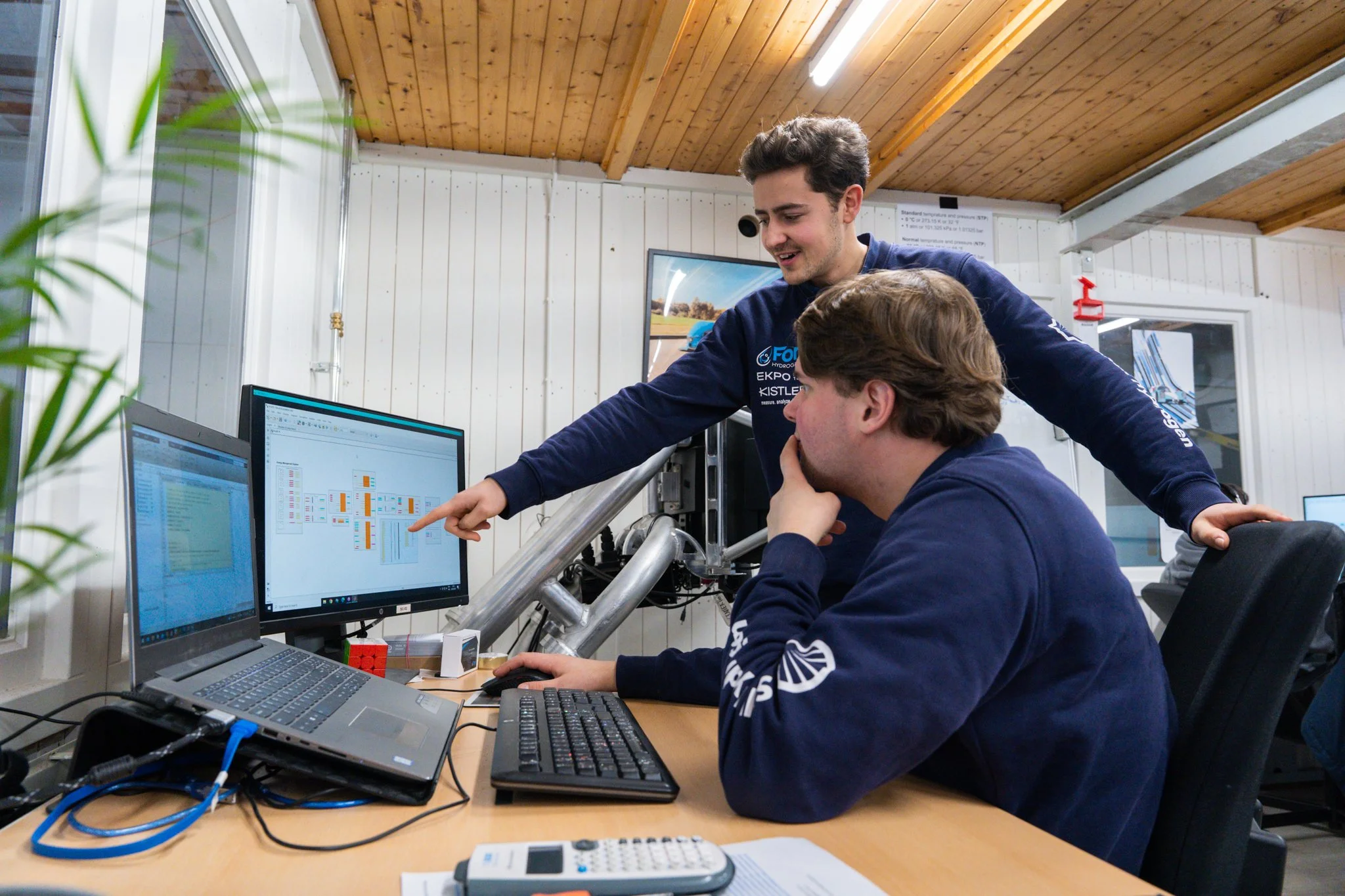
At the Software department, you will be responsible for programming the microcontrollers in the embedded system of the car. This ranges from writing low-level drivers that directly interface with the hardware, sensors and actuators to writing Finite State Machines that run the control systems and manage subsystems of the car. Therefore, you are the fabric that connects the electronics to the control systems. Software tests and reviews the code in a way it’s optimised for the embedded environment of the car. Another project the software department focuses on is telemetry, which is the real-time transfer and analysis of data from the car to the pit wall.
-
As Chief Simulation & Control, you will have an overview of the entire control system of the car. This means you know what the control systems will look like and help people whenever necessary. You will set out the planning for the Simulation and Control systems with the Project Manager and you will discuss the consequences of a decision with the Chief Engineer. If inter-departmental problems arise, it will be up to the Chief Simulation & Control to tackle these issues. As you will be in close contact with the other departments, you can learn a lot in different areas. However, you will still be doing your own projects within Simulation & Control.
Mechanical Positions
-
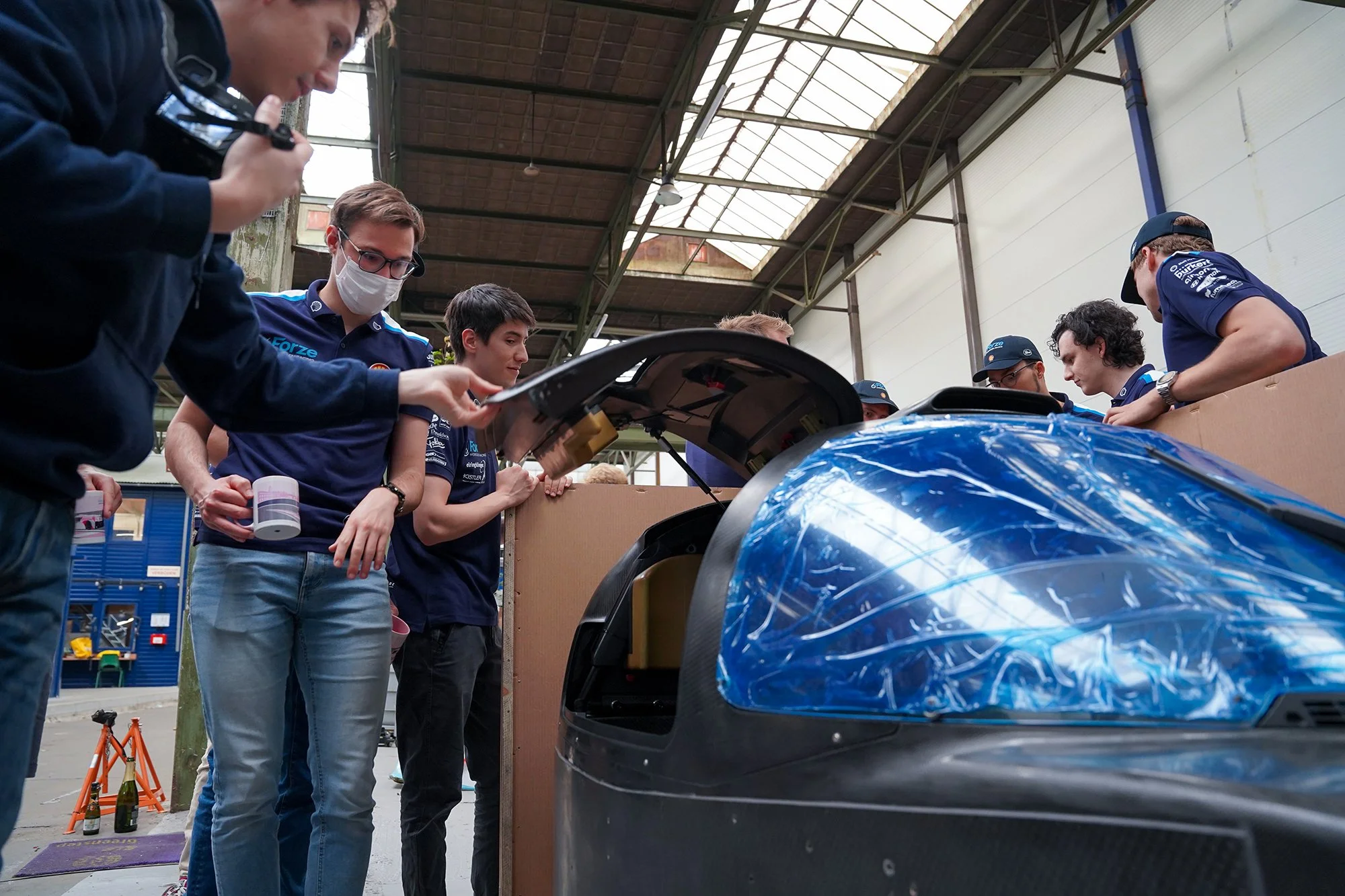
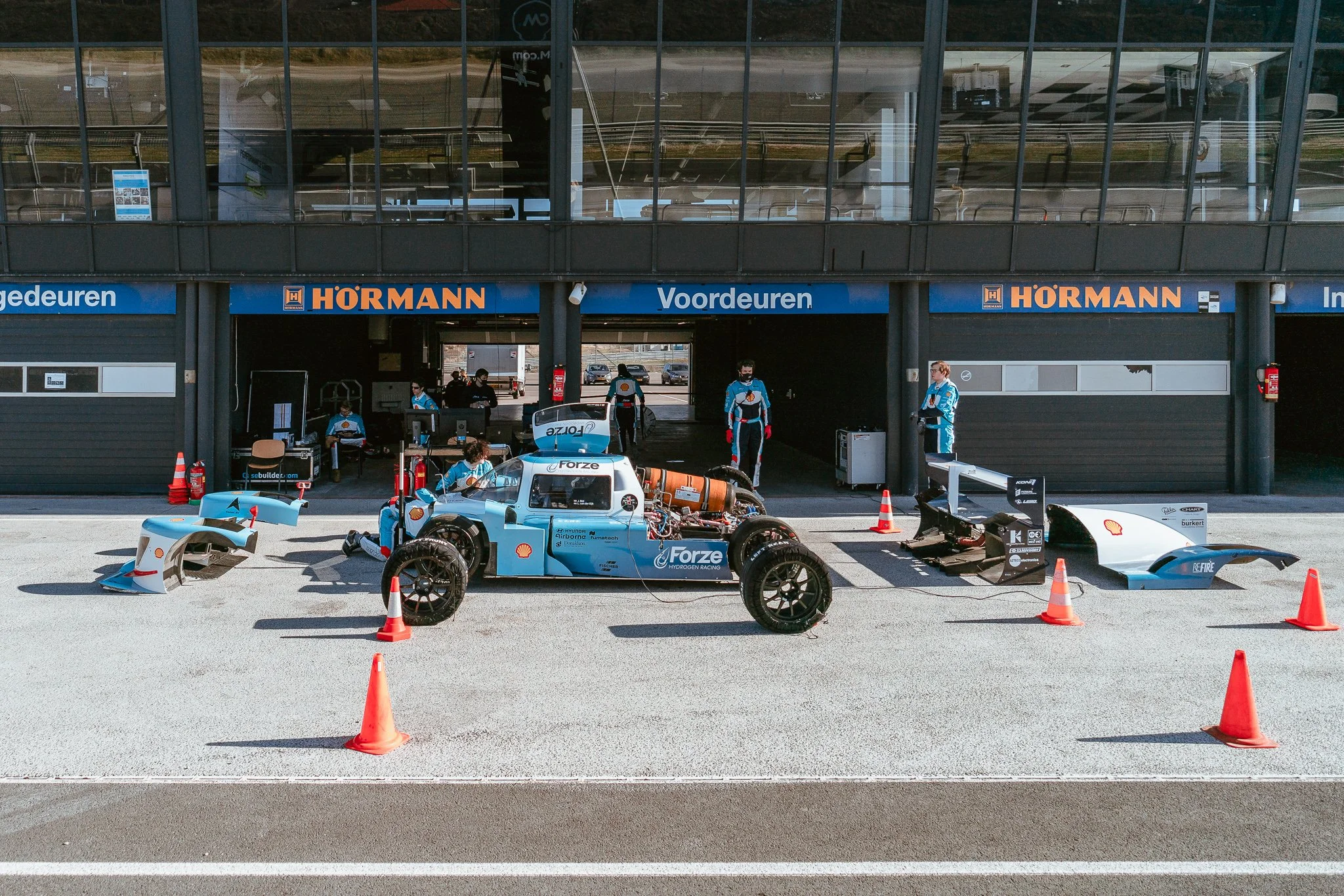
The Chief Chassis is in charge of the interfacing between mechanical departments (Aerodynamics, Vehicle Dynamics and Mechanical). These departments create the mechanical spine and aerodynamic skin of the car, holding everything together. You have a bird’s eye view of this crucial segment, where you help out every department when necessary. Your function entails being the connecting element between the engineers and the rest of the team, so you will focus on integration with other engineering departments, setting goals with the Project Manager and discussing design considerations with the departments and Chief Engineer. Besides, you will manage projects of your own within the Chassis section.
-
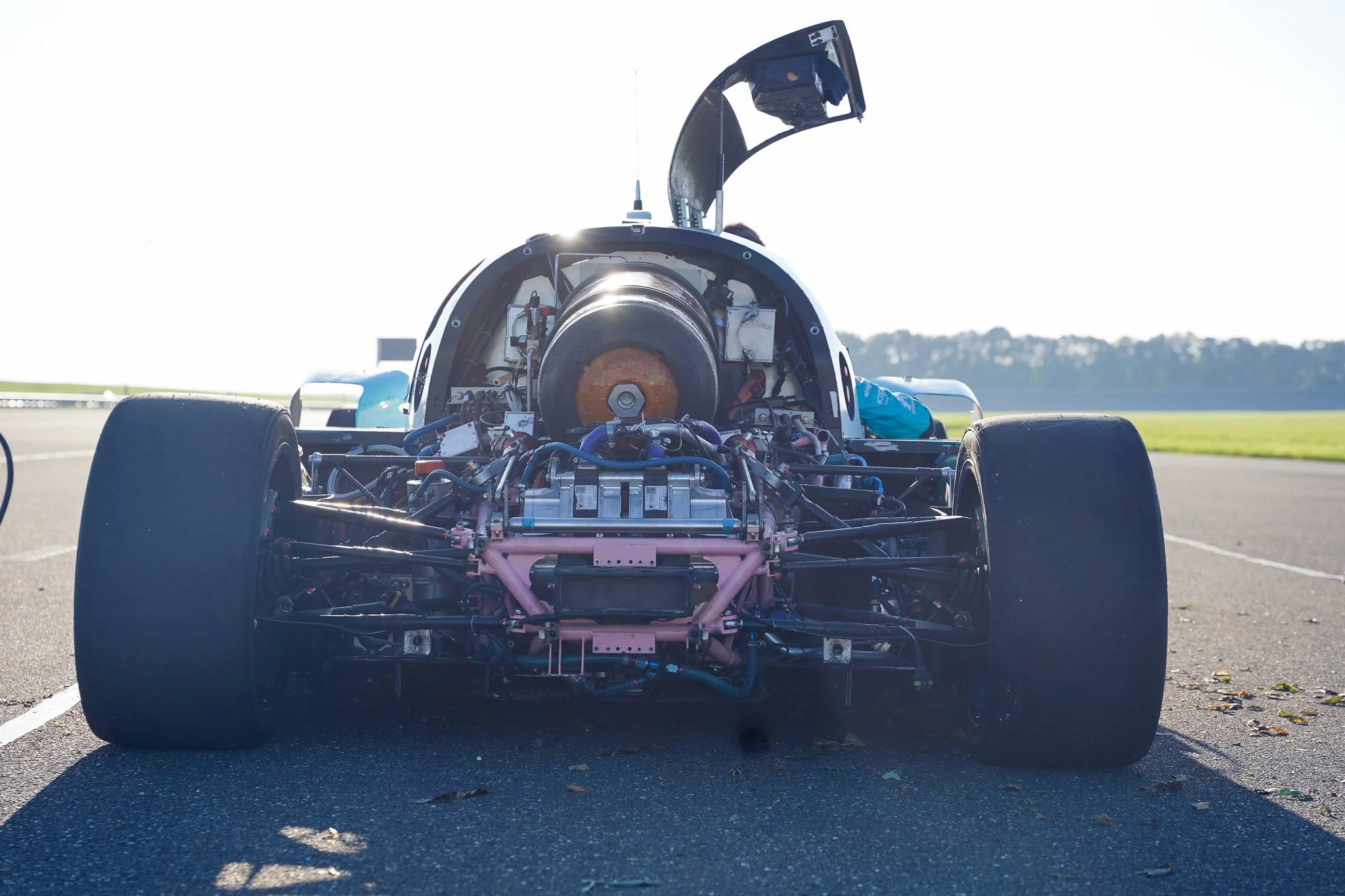
As the Mechanical department, you will be responsible for the mechanical integration of the different subsystems in the car. As a mechanical engineer, you will thus often find yourself working on many smaller projects with other departments to find a way to safely and securely integrate every part in the car. You will also find yourself working on subsystems that might not be in the scope of any of the other departments. This ranges from large and exciting projects such as the gearbox and accumulator to smaller design work such as making a bracket to fasten a part from another department.
-
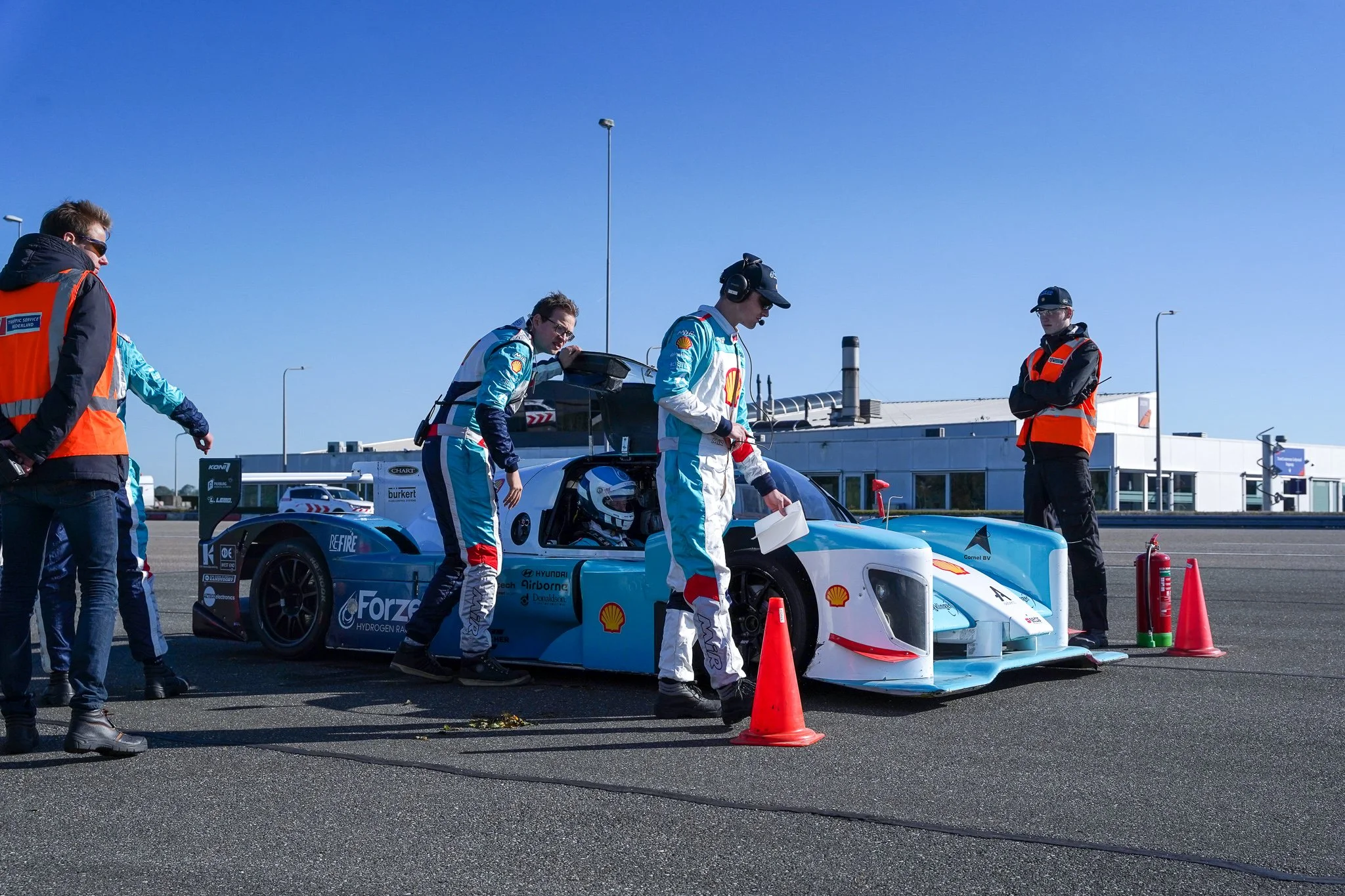
As Vehicle Dynamics department, you will be responsible for extracting the best performance out of our tyres. This means you focus on designing elements like the suspension and braking system while working closely with the Aerodynamics department and applying different setups to the car. The suspension is also one of the critical components for the safety of the drivers, so you'll also be monitoring everything on the car during mechanical checks, and be close to the action during testing and racing of the car. It's a very versatile department which covers a lot of elements important to both designing and running a racing car.
-
As Aerodynamics Engineer, you will be responsible for designing, optimising, and producing the bodywork of the car. The challenge lies in achieving optimal aerodynamic performance, while still meeting our harsh cooling requirements. Through CFD-simulations you iterate on the design of the car, after which you need to figure out how to attach the bodywork part, and design the mould for the part. After that, you will produce the part using the vacuum infusion technique.

Fuel Cell & Powertrain Positions
-
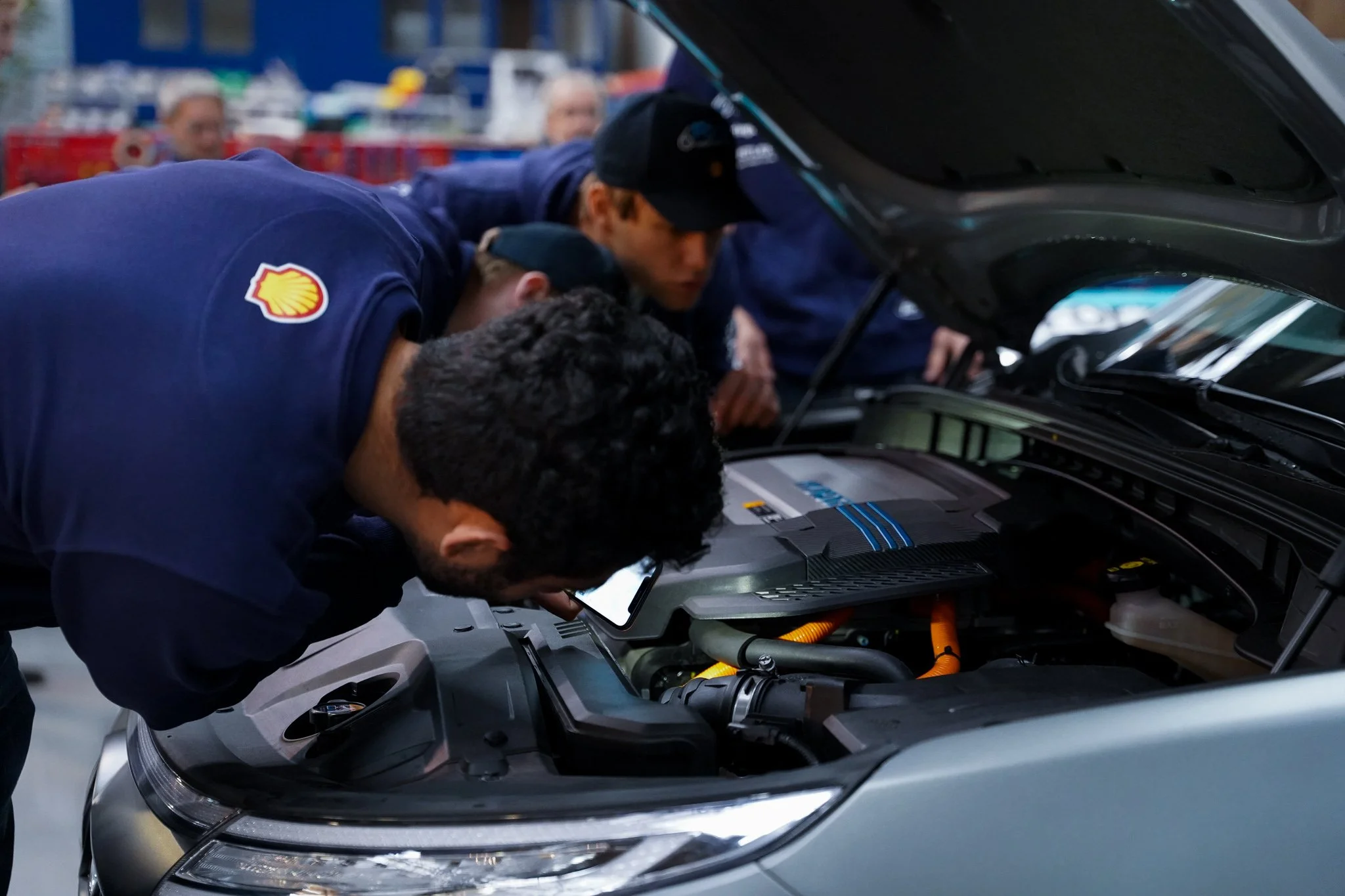
All power is generated and transmitted to the wheels through the work of departments you are leading, as the Chief Fuel Cell & Powertrain is responsible for the Fuel Cell Integration, Cooling and Powertrain departments. This means being the connecting element between the departments themselves as well as the rest of the team. The hydrogen and air must be conditioned perfectly before reaching the Fuel Cell, which is the beating heart of the car. The powertrain connects the fuel cell, the accumulator and the electro motors and operates at voltages up to 700 volts and currents over 300 amperes! There is a lot of interfacing between these departments, so it is essential that you have a broad understanding of the functionality of the internal systems. You will set goals for the departments with the Project Manager and assess design choices with the departments and the Chief Engineer. On top of that, some smaller projects concerning this vital part of the car are your responsibility.
-
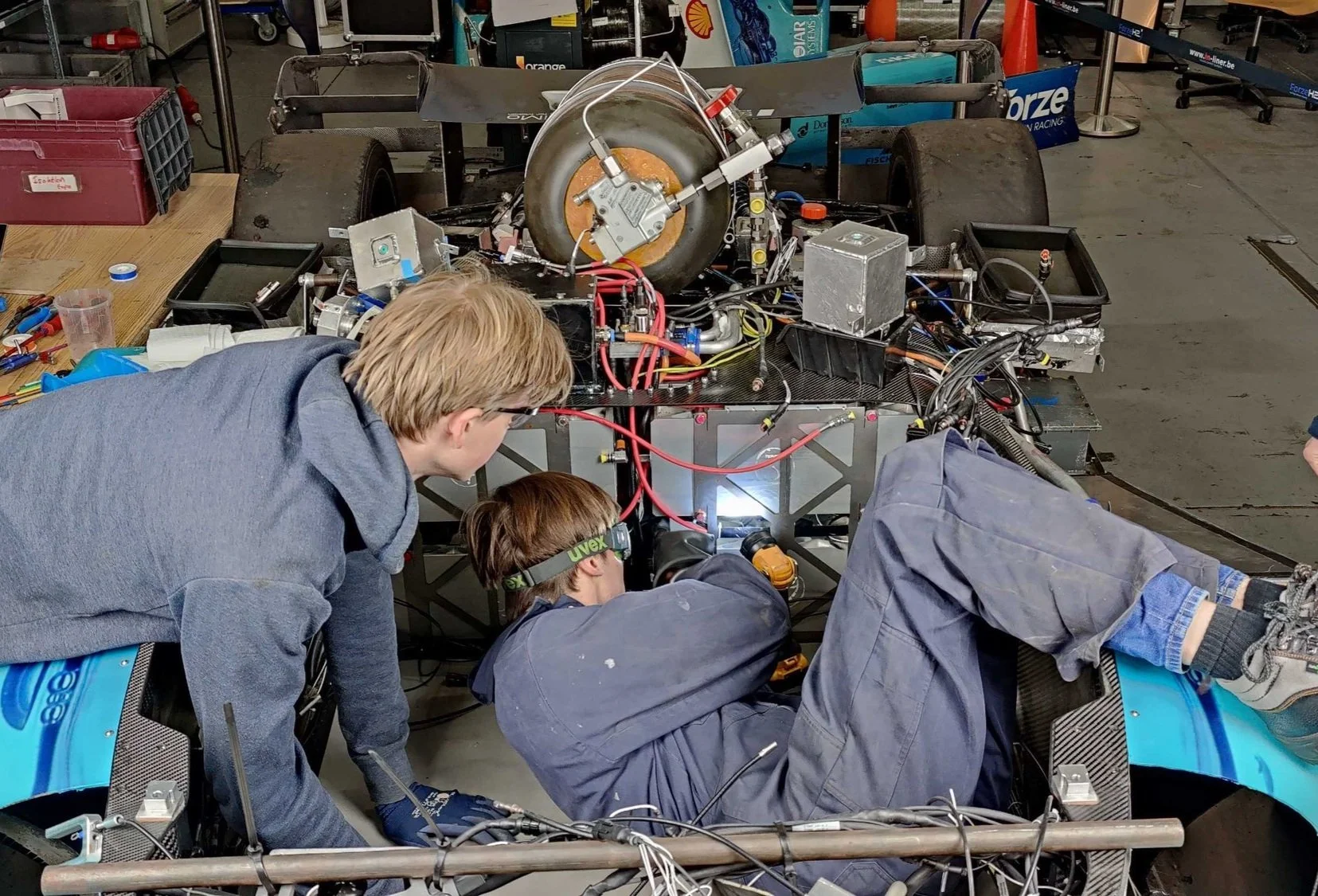
As Fuel Cell Integration Engineer, you will make sure that the stack works in optimal conditions. This means that you make a system that brings down the 700 bar hydrogen to the perfect operating conditions for the ejector and the stack, the Fuel Cell department humidifies and pressurise the air and cools down our car. You will also be responsible for the Balance of Plant, so generating all the power for the car. As Cooling Engineer at Forze, you have a very important role, which is keeping all the systems of the F9, such as the fuel cell and the accumulator, cool. In our car the challenge of doing this is very high, because a fuel cell operates at way lower temperatures than combustion engines.
-
As Powertrain Engineer, you will be responsible for getting the wheels to spin! The powertrain connects the fuel cell, the accumulator and the electro motors and operates at voltages up to 700 volts and currents over 300 amperes! Anything ‘High Voltage’ in between the fuel cells and the wheels is your territory, from converters to the accumulator and even the air compressors and their controllers. You will have close contact with the Chief Fuel Cell & Powertrain in order to get the car driving.